Ayurvedic detox – panchakarma

Panchakarma

What is Panchakarma?

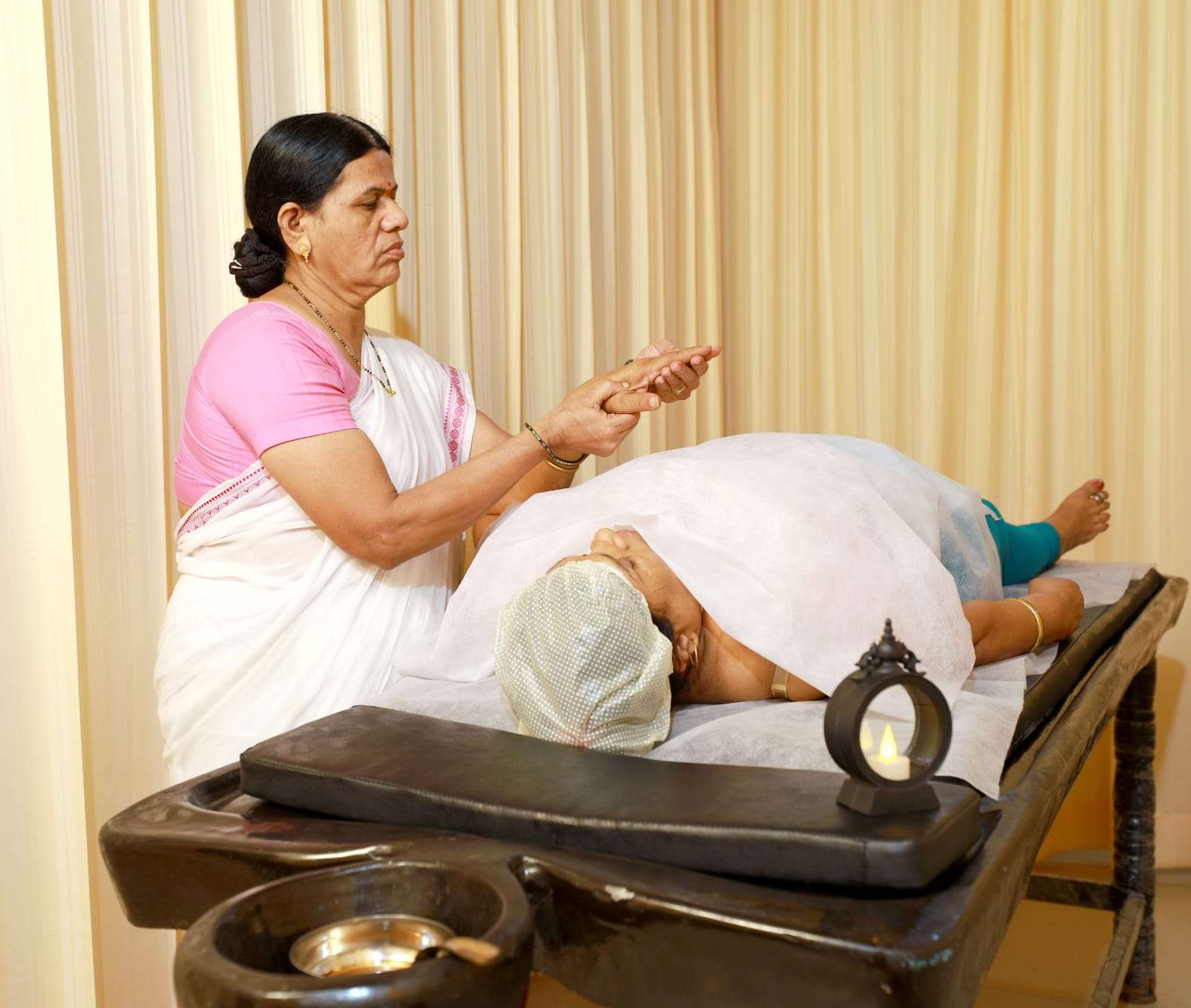
Panchakarma is a unique cleansing program for detoxifying the body, rebalancing the mind and strengthening the immune system.“Pancha” means 5 and “karma” means process or therapy. Therefore, the meaning of the word Panchakarma is 5 therapies that remove deep tissue toxins from the body, mind and energy levels. Ayurvedic detox comes from the traditions of ancient India. It assumes the introduction of changes in everyday habits that effectively lead to an improvement in the quality of life. We recommend Ayurverdic detox to all those who want to relieve their body without side effects. It is a recipe for good health, comprehensive cleansing of the body from deposits and toxins, as well as a guarantee of excellent well-being. Based on holistic Indian medicine, the process is also the key to maintaining a proper body weight.

Panchakarma

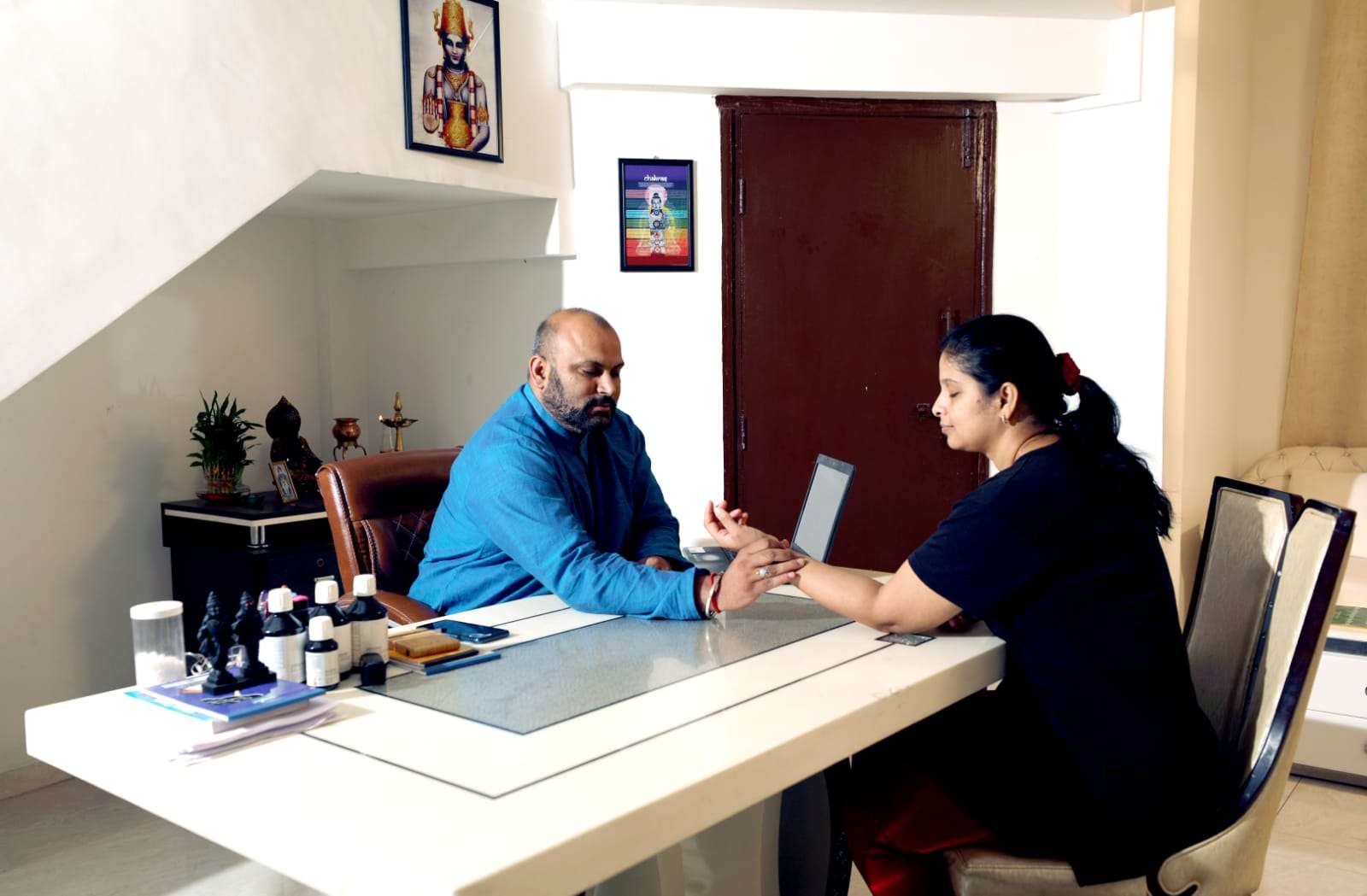
For each patient, this process is carried out individually, because each disease causes different reactions to a specific constitution (prakriti).Therefore, during the entire process you will be under the care of an experienced Ayurvedic expert who will define an individual Panchakarma plan for you on the first day of your stay. The most important stage of introducing changes is acquiring full knowledge about the therapy. Ayurvedic detox is a series of practices that allow you to achieve perfect harmony of body and mind. All actions are taken under the guidance of specialists experienced in guiding patients through the process. Thanks to this, you can feel completely safe with us.

The following therapies may be used during Panchakarma:

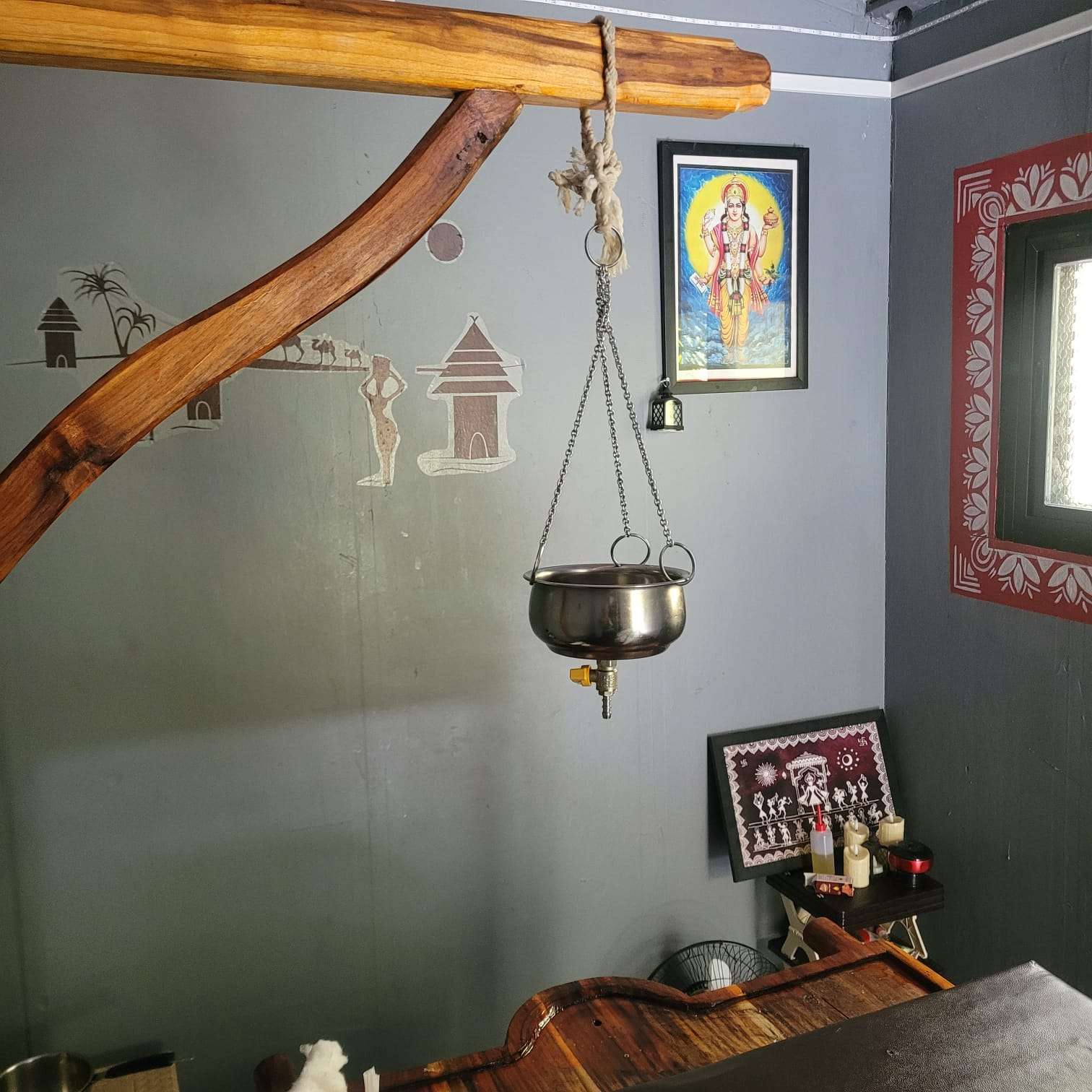
  • Snehana – is one of the most important processes in Panchakarma. By internally and externally “oiling” the body, toxins are softened so that they are detached and directed to the gastrointestinal tract where they can be easily eliminated during the main detoxification process.

  • Svadan
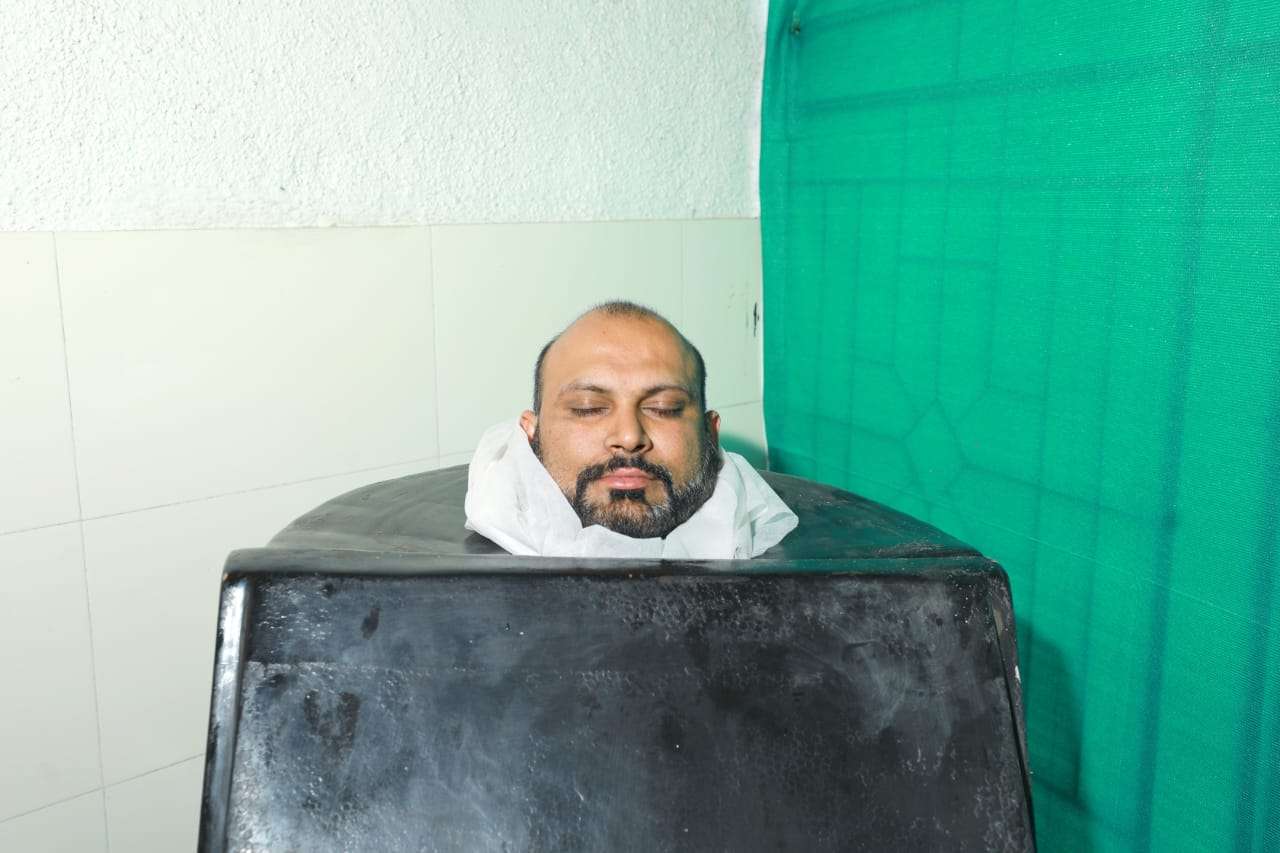
    (sweat therapy) – heating the body with various methods, such as stone massage or sauna.
  • Vamana– the process of therapeutic vomiting. This technique eliminates excess kapha through induced vomiting. It is used, for example, in lung strain that causes recurrent bronchitis, colds or asthma. The patient is relieved when he can remove the accumulated mucus. Vomiting therapy simultaneously releases repressed emotions held in places typical of kapha accumulation, i.e. in the lungs and stomach.

  • Virechan– is a healing laxative therapy that removes Pitta toxins from the body.
  • Basti – an enema performed using herbal tea, medicinal ghee or other potions. The enema is mainly used to balance Vata, although it can also affect other toxins in this way.

  • Raktamokshana – involves the release of a small amount of venous blood. In this way, we reduce the tension caused by excess pitta, stimulate the spleen to produce toxins (it is the basis for raha vaha srotas and is the main blood filtration organ during which pathogens are removed) and improves the quality of the immune system.

  • Nasya– (elimination of toxins through the nose) consists in administering drugs through the nose. Excess toxins accumulating in the sinuses, throat, nose and head are eliminated through the nearest opening, that is, through the nose. The effects not only extend to the nasal area, but also help clear excess congestion from other organs, including the brain.

When to use Panchakarma?

Panchakarma therapy is most effective in preventing and mitigating the effects of the following diseases:

  • Cancer (all types) before/after surgery
  • Thyroid diseases
  • diabetes
  • Arthritis
  • High blood pressure
  • Obesity
  • Emotional imbalance

 Effects of the Panchakarma process:
  • Increased immunity
  • Maintaining proper blood circulation in the body
  • Increasing memory and concentration
  • Cleansing the digestive system and improving health
  • Strengthens bones and muscles